
Injury Prevention for Law Enforcement Officers: A Smarter Approach to Staying Ready
Jun 22, 2026
Law enforcement is a physically demanding profession.
Whether you're chasing a suspect, wrestling with a suspect who’s resisting, carrying heavy gear, climbing obstacles, or even sitting in a patrol vehicle for hours, your body is constantly being exposed to physical stress.
And the statistics reflect it.
Musculoskeletal injuries are among the most common injuries experienced by law enforcement officers. Lower back pain, knee injuries, shoulder injuries, neck pain, and soft tissue injuries account for a significant percentage of lost work time, modified duty assignments, and reduced career longevity.
Unfortunately, many officers approach injury prevention the wrong way.
They either ignore warning signs until something becomes serious, or they completely stop moving when an injury occurs.
Neither approach works.
At EFT, our philosophy is simple:
The goal is not to avoid injuries completely. The goal is to become more resilient, recover faster, and stay operational for the long haul.
Injuries Are Part of Life
This may sound controversial, but injuries are not always something to fear.
If you're challenging yourself physically, training hard, participating in sports, working long shifts, carrying equipment, and living an active life, there will likely be times when you experience aches, pains, tweaks, strains, and setbacks.
That's normal.
In fact, you can experience pain and movement limitations from doing absolutely nothing at all.
Many officers spend years sitting in patrol vehicles, behind desks, or on the couch after long shifts. Over time, they become weaker, stiffer, and less capable.
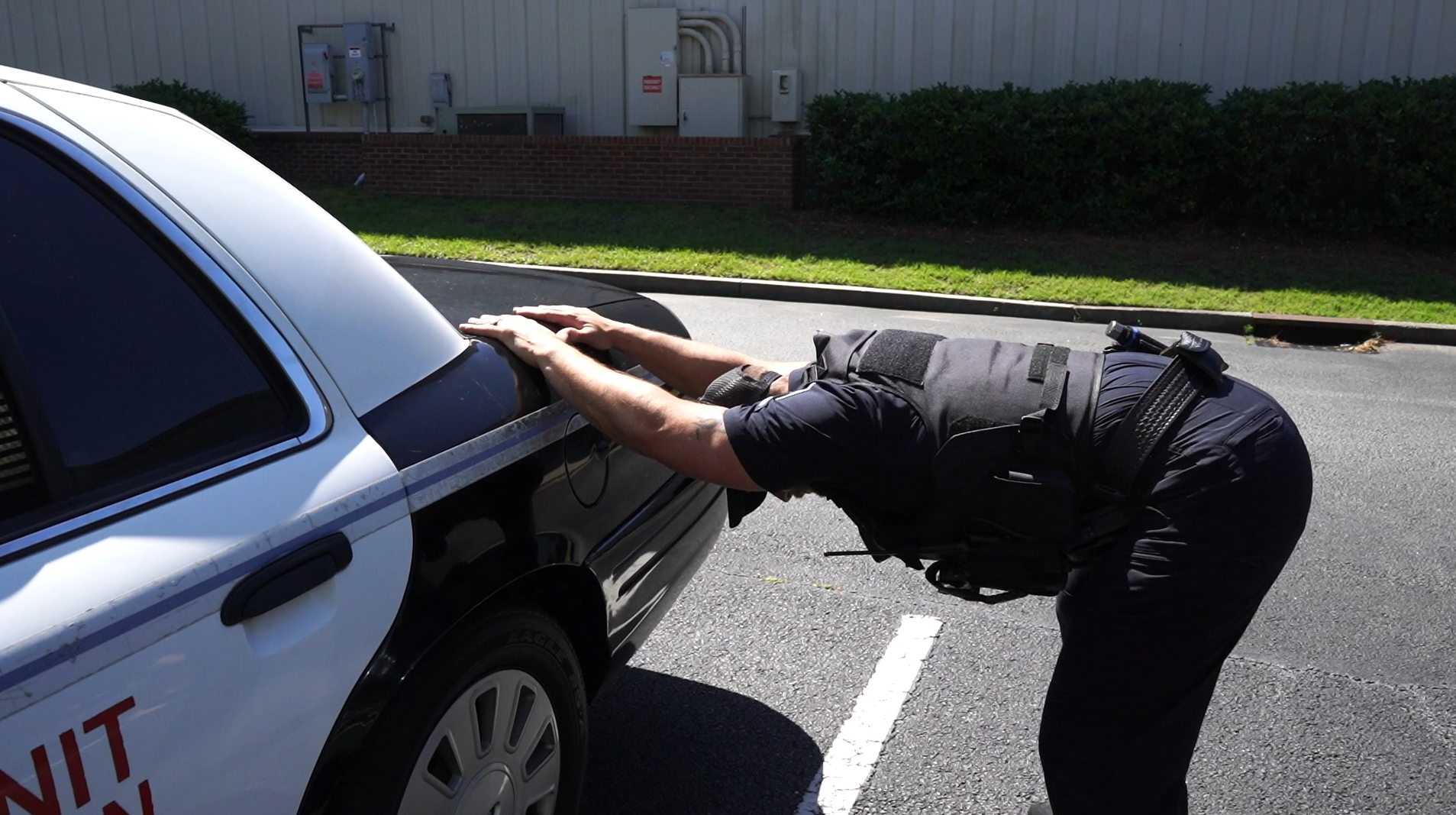
Eventually, something as simple as getting out of a vehicle, bending over, or stepping off a curb can create pain.
The human body was designed to move.
Movement isn't the enemy.
Lack of movement often is.
Rather than trying to eliminate every possible risk, our goal is to build a body that can tolerate the demands of the profession and adapt when challenges arise.
Why Traditional Injury Prevention Falls Short
Many injury prevention strategies focus exclusively on flexibility.
Stretch more.
Foam roll more.
Spend more time warming up.
While these tools can have value, they often miss the bigger picture.
One of the concepts we agree with from modern movement practitioners is that mobility without strength isn't enough.
Having access to a range of motion is important.
Being strong and stable in that range is what actually protects you.
Think about an officer chasing a suspect over uneven terrain.
The injury doesn't happen because the officer lacked flexibility.
The injury often happens because their body wasn't strong enough to control the position they were forced into.
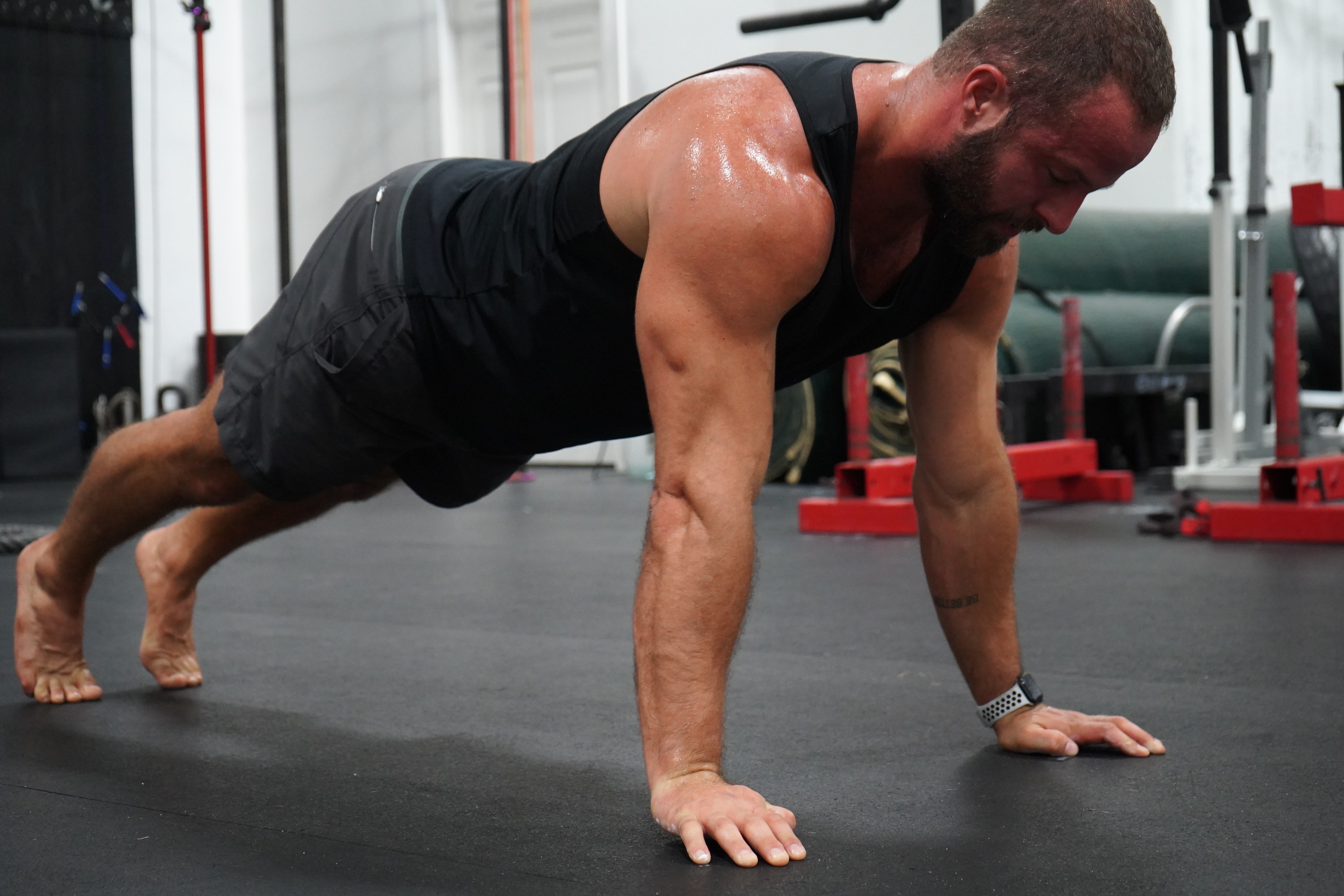
This is why EFT places a heavy emphasis on building strength and stability through full ranges of motion.
Not just lifting weights.
Not just stretching.
Building a body that can produce force, absorb force, and maintain control in the unpredictable environments officers face every day.
The Goal: Build a More Resilient Body
At EFT, we don't believe in building fitness solely for aesthetics.
We train for readiness.
That means developing:
- Strength through full ranges of motion
- Joint stability
- Balance and coordination
- Aerobic fitness
- Muscular endurance
- Recovery capacity
- Movement quality
A stronger body is a more resilient body.
A more resilient body is a harder body to injure.
This doesn't mean injuries won't happen.
It means your body is better prepared when life inevitably throws challenges your way.
What To Do When An Injury Happens
This is where many people make their biggest mistake.
They stop moving completely.
Rest has its place.
But complete inactivity is rarely the answer.
When you stop moving altogether, several things happen:
- Strength decreases
- Mobility decreases
- Conditioning decreases
- Joint stiffness increases
- Recovery often slows
You don't just become weaker.
You become weaker and stiffer.
That's a double edged sword because it often increases injury risk when you eventually return to activity.
Instead, our philosophy is to continue moving whenever possible.
The key phrase is:
Move what you can, while respecting what you can't.
If an officer injures their shoulder, that doesn't mean they stop training entirely.
We may modify pressing exercises.
We may adjust volume.
We may focus on improving shoulder mobility and stability.
But we can still train lower body strength, aerobic fitness, core stability, and other areas of performance.
Progress doesn't have to stop because one area is limited.
Focus on the Injury Site AND the Rest of the Body
When dealing with injuries, we take a two-pronged approach.
1. Address the Injury
We want to improve:
- Stability
- Mobility
- Strength
- Pain-free movement
The objective is to gradually restore function and build capacity back into the injured area.
2. Continue Developing Everything Else
While rehabilitation is occurring, we continue improving the areas that remain trainable.
This helps officers maintain momentum physically and mentally.
Instead of feeling like they're starting over after an injury, they're continuing to move forward.
This approach often leads to better long-term outcomes than complete inactivity.
Understanding Good Pain vs Bad Pain
One of the most important skills officers can develop is learning the difference between productive discomfort and harmful pain.
Good Pain
Good pain is often associated with:
- Muscular fatigue
- A muscle burn during exercise
- Stretching a tight muscle
- Building strength in a new range of motion
- Normal post-workout soreness
This type of discomfort is often part of adaptation.
Bad Pain
Bad pain is often associated with:
- Sharp pain
- Joint pain that worsens during activity
- Pain that continues to increase throughout a workout
- Pain that significantly alters movement patterns
- Pain that lingers or worsens after training
When pain is coming from a joint and progressively worsening, that's usually not something you want to push through.
Learning to distinguish between these sensations can help officers train intelligently rather than emotionally.
Readiness Is the Best Injury Prevention Strategy
The reality is that law enforcement will always be unpredictable.
You don't get to choose when the foot pursuit happens.
You don't get to choose when the fight starts.
You don't get to choose when you're forced into an awkward position while carrying 30 pounds of gear.
What you can control is how prepared your body is before those moments occur.
The officers who remain healthy and capable throughout their careers are rarely the ones searching for shortcuts.
They're the ones consistently building strength, maintaining mobility, improving conditioning, and taking care of their bodies year after year.
Injury prevention isn't about becoming fragile.
It's about becoming adaptable.
It's about building a body that's prepared for the realities of the profession.
It's about staying ready.
Ready to Find Out How Prepared You Really Are?
If you're dealing with nagging aches and pains, recurring injuries, poor recovery, or you're simply unsure whether your current fitness routine is preparing you for the demands of the job, start with our Readiness Assessment.
We'll help identify potential weak points, evaluate your current level of preparedness, and provide a roadmap to help you build a stronger, more resilient body for the demands of law enforcement.
